Darcnes (1998)


Darcnes (MS-DOS)
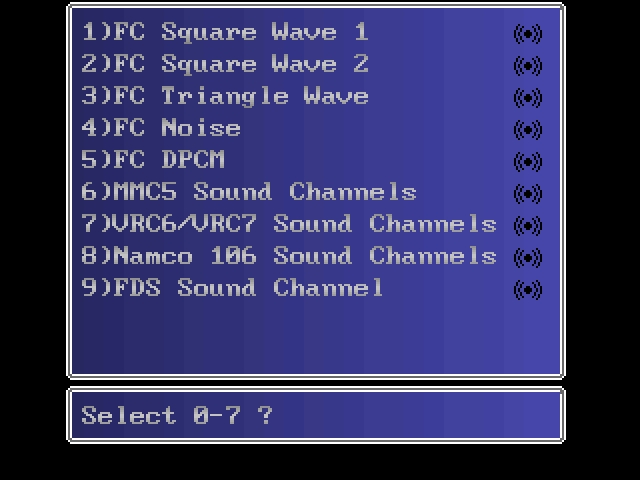
Darcnes was created in 1998 by Alastair Bridgewater, aka Nyef. Its first version is dated December 1998 for Linux, based on the NES documentation, Nes.Doc, and the 6502 emulator, both by Marat Fayzullin, and the NES documentation called Nestech.txt by Jeremy Chadwick, aka Yoshi. Right at its launch, Alastair made it clear that the emulator would be multisystem, considering later launching support for the PC-Engine and Master System consoles.

Darcnes (MS-DOS)
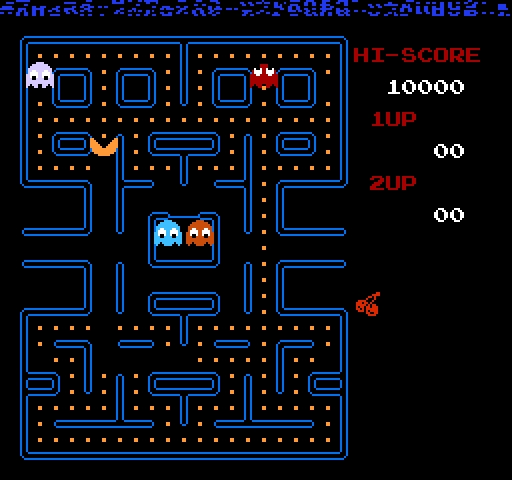
From 1999 onwards, the emulator began to support the Game Gear, PC Engine/TurboGrafix 16, Master System, ColecoVision, SG-1000, Apple II PC, PC Engine CD (only on UNIX), Famicom Disk System, SC 3000 and MSX PC systems, added respectively in January, March, May, June and November 1999, January, February and June 2000, and March 2001 (the last two systems mentioned, SC and MSX, were released in this same version in March 2001). Its DOS version (the best known) ran on command line, with only additional functions of volume control and frameskip. It supported both keyboard and joystick control. The games, specifically NES, SMS and GG, performed well, without bugs and with great sound. PC Engine ran well, but without sound and ColecoVision and FDS did not work.


Darcnes (Windows) (Master System)


Darcnes (Windows) (PC Engine/Bomber Man '93)
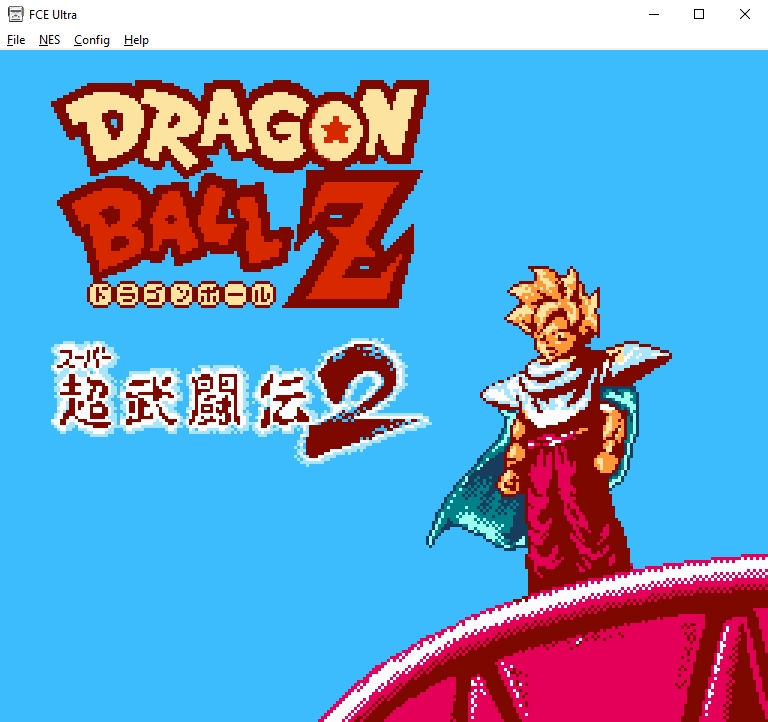
Its Windows version was very simple, with a menu only for loading ROMs and no other additional functions. It was controlled only by keyboard. The games performed well on NES, SMS, GG and SG-1000, but on GG and SG-1000 the buttons did not work. On the PC Engine, in addition to the buttons not working, the emulation was also very accelerated. And ColecoVision and FDS also did not work (at least in the tests I performed). It was also another prototype project with a great future ahead. In addition to the UNIX version, Darcnes was also ported to several other operating systems, such as MS-DOS in January 1999, Amiga in March 1999, BeOS in June 1999, Linux in August 1999, Windows in January 2000 and NetBSD in April 2001.


Darcnes (Windows) (SG-1000/Flicky)


Darcnes (Windows) (NES/Alien 3)


Darcnes (Windows) (Game Gear/Sonic Chaos)
Some of the people responsible for the ports are famous people in the industry, such as AmiDog, who ported emulators such as Handy, Frodo, MAME, MESS and FPSE to the Amiga; Abazan who ported DOS and ZX Spectrum games to the BeOS, and the Dgen emulator; Brazilian Rafael Rigues, Sephiroth, who worked at companies that spoke about Linux, such as Conectiva and Revista do Linux, with the ports of the emulator for DOS and Linux; and the creators of the Japanese system NetBSD, as well as Vector with the Windows version. Alastair also made two official ports, for Windows in January 2000 and for BeOS in May 2000. The last version of the emulator was released on April 1, 2001, the same day as the port for NetBSD, mentioned above.
- MS-DOS by Sephiroth in January 1999 (also a version for Linux in August 1999, and for Power PC later. Sephiroth is a Brazilian named Rafael Rigues, who worked at Conectiva, a Linux sales and technical support company, and was a columnist and editor for Revista do Linux in 2000)
- BeOS by Abazan in June 1999 (also responsible for porting to BeOS arcade games such as Arkanoid, Breakout, and Columns, DOS games such as Nibbles, Sokoban for the ZX Spectrum PC, and the DGen emulator for the Mega Drive)
- Windows by Vector in January 2000 (along with Alastair's official version)
- Amiga by AmiDog (also converter to Amiga for emulators like Handy for Atari Lynx, Frodo for Commodore 64, MAME and MESS for Arcade, FPSE for PS1, and others) in March 1999
- NetBSD by The Japan NetBSD Users' Group (creators of the operating system itself) in April 2001
Pretendo (1999)


I aim
Pretendo was an emulator written by Evan Teran and Eli Dayan, known as Proxy and Delta, in April 1999, with versions released for Windows from December 1999 onwards. A Linux version was due to be released, but I don't know if this ever happened. Its distinguishing feature was the addition of video, sound, control and CPU plug-ins, being the pioneer in using this function on the NES. Regarding its CPU plugins, it used versions inspired by the emulators of Neil Bradley, used in NESticle, Shu Kondo, used in fwNES and TNSe, used in the NESten emulator. It also used color palettes from several authors, such as Matthew Conte, from Nofrendo, Alex Krasivsky, from LandyNes, as well as palettes from LoopyNES, DarcNES, Pasofami and even the multi-emulator MESS.


I want (Menus)
Without a doubt, it was a very complete emulator. Its sound plugin was reasonable, but with some flaws. Its emulation and speed were good and it had good graphics. Besides that, it had other functions, such as joypad support, save state, pause, reset, snapshot, game genie and IPS patcher. It also read games in .zip format. It was one of the few NES emulators that allowed free window adjustment, despite already coming with three determined zoom sizes. It had four public versions, the last one being released in June 2000. Also in June, Delta created a port for BeOS.
JNes (1999)


JNes
JNes was programmed by American Steven Rellinger, known as Jabo, in March 1999, and is considered one of the best NES emulators for Windows. It was first released in October 1999. At its launch, it recommended the use of a Pentium 133 MHz, DirectX 5 and a 2MB video card. This was an average computer for the time. Initially, it came with two window sizes, fullscreen with four different sizes, stretch mode (to stretch the image horizontally), audio, support for two joypads, game genie, save state, pause, reset, snapshot and audio recording in WAV. It also used DirectX for video, audio and control input. The emulator initially supported mainly American and European games, and gradually supported Japanese games.


JNes (Interfaces)
In the following years, it added support for kaillera in April 2001, external palettes in June 2001, super 2xsai and scanlines in July 2002 and support for other languages from December 2005, giving support to the Portuguese language in February 2008. By the end of the project, it had supported 20 different languages. In December 2007, it began supporting video recording in JMV format. Among the people who were part of its team is Gent, being a tester and cheat creator, as well as Smiff, RadeonUser and TrotterWatch. Jabo was also influenced by some people in the scene, such as Nyef from Darcnes, Akilla from Nintendulator, Yoshi from the Nestech.txt documentation, among many others. Regarding its interface changes, it changed its logo in the first beta release of the emulator in January 2001.


JNes (Interfaces)
In February 2005, the front-end had some more changes, including the display of ROMs in the center of the interface. There were some other changes over time, but only aesthetic, with a change of logo in December 2007. In December 2016, the icon and appearance of folders in the central part of the interface changed again, for a better selection of ROMs. From January 2013, it began developing its Android version, which led to the release of updates to the Windows emulator from January 2017. Between 1999 and 2017, it had only 7 non-continuous years of hiatuses, 2003, 05, 09, 11, 12, 14 and 15. Right from the start, it was on Google Play, being removed from the platform in December 2015 and returning to it in February 2017. It also had hiatuses in the release of the Android versions in the years 2014, 2016 and 2018. Its last version for Android came out in December 2021. JNes is considered one of the NES emulators that has been updated the longest, as well as being updated the longest by the same person.
Nester (2000)


Nester
Nester was created by Darren Ranalli in early 1999 and released on August 7, 2000 for Windows. Influencers Sardu from NESticle, Marat Fayzullin from iNes, Yoshi from nestech.txt and Nyef from Darcnes helped the project in some way. Nester uses the CPU (nes6502) and audio emulators from Matt Conte, creator of the NES emulator Nofrendo. Speaking of the sound part, Nester also supports DirectInput, which brings great sound quality.


Nester (Menus)
It also supports playing music in .NSF format, which is the console's default music format, ported from the Nosefart plug-in for Winamp, also created by Matt Conte. Support for save state in .SNSS format is compatible with other emulators, such as Nofrendo, LoopyNES and others. Starting in November 2000, in the third update of the emulator, Darren began to release its source code. The emulator had three releases in total, the last one in January 2001 with the Public Beta 4 version. In February 2002, he made a small update to this last version, but only superficial changes, without actually changing the executable. After that, several fork projects and ports of the emulator began to appear.


UONester (Menus/ Back To The Future II & III)
The first was Unofficial Nester (also known as UONester), by Japanese developer Toshiya Takeda, which began development in September 2000. The emulator had some improvements in speed and in all the main functions of the console, as well as support for Game Genie, Disk System, games from the PlayChoice-10 and Unisystem arcades based on NES hardware, support for several original controls and keyboards of the console, as well as video recording and playback and netplay via TCP/IP. Its latest version was released in July 2001, on top of the November 2000 version of the original Nester, Public Beta 3.


NesterJ (Menus/Air Wolf)

NesterP
The second project is the well-known NesterJ created by the Japanese Screw and Mikami Kana, also starting around September 2000, and with first public versions in November 2000 in English, and in January 2001 in Japanese. The project is nothing more than the fusion of the original Nester with Unofficial. The latest version of the emulator is dated July 2003. NesterJ was also ported to PSP, by the Chinese Tensai Wang in December 2009, and known as NesterP.


NNNesterJ (Menus/The Adventures of Bayoli Billy)
The third fork was NNNesterJ in early 2001 by Japanese developer R1, a modified version of NesterJ. It adds a different interface, more convenient joypad configuration, AVI video recording, and netplay via Kaillera. Its last version was 0.23 in December 2002. The emulator also had Japanese and English versions. All three forks were for Windows.


NesterDC (Cover/Interface)
Nester was also ported to the Dreamcast as NesterDC by Ken Friece in 2001, and had further versions in 2001 by Fumihiko Takayama, 2003 by Warmtoe, 2005 by Scherzo, and 2008 by Christuserloeser. In 2002, it was ported to the Xbox as Nester X by Hikaru, who is responsible for several emulator ports for the Microsoft console. It was also ported to Gamepark 32 in 2003 and 2004 and Nintendo DS in 2005. In October 2007, the original author, Darren, registered his emulator on SourceForge, and unexpectedly updated it again in February 2009, using the Beta 4 version from February 2002 as a base. This same version received other updates, such as in February 2011, April 2013, October 2015 and August 2018. In this new phase of 2007, he had Chris Brunner at his side as project administrator.
NesterDC was a port of the emulator for the Dreamcast console, made by Ken Friece. In late 2001, Fumihiko Takayama (another Japanese guy taking care of a version of Nester lol) took over the project, and added savestate for the Dreamcast memory (for the VMU, Ken had already added it), GameGenie, bilinear filtering, NNNesterj cheatcode, and better compatibility, making the emulator the best for the NES for the Sega console. In December, he released the latest version of the emulator, 7.1. Ken released three versions of the emulator and Fumihiko five. After that, NesterDC got a port in early 2003 by Warmtoe, called Nester DC 7.1+. In late 2005, Scherzo also created a port of Nester DC, called NesterDC Special Edition (or NesterDC SE). And finally NesterDC SE is updated by Christuserloeser in December 2008 to version 1.1, correcting an error in the rom directory listing.
Come and discover the story of Darcnes, Pretendo, JNes and Nester in a video on our YouTube channel.